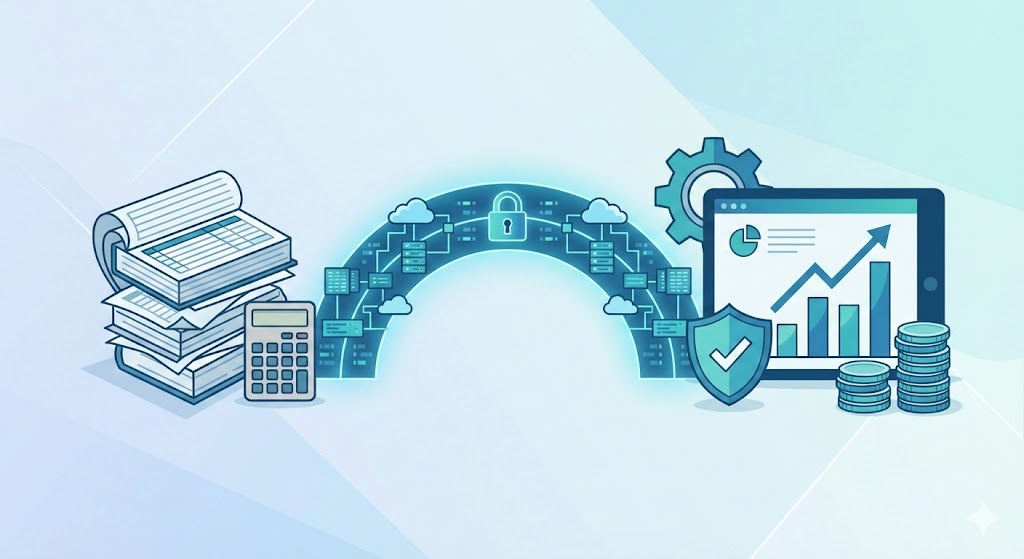
Growth is exciting, but it often breaks your financial processes. Suddenly, the bookkeeping that worked when you had $200k in revenue feels inadequate at $2 million. You might not be ready for a full-time executive salary, but you definitely need more than basic data entry. This is the “gap” where Virtual Controller Services become essential.
At CHC Strategic, we see this stage often: you are growing fast, but your financial clarity is lagging behind. A virtual controller steps in to tighten your ship, ensuring your numbers are not just “done,” but accurate, compliant, and ready for decision-making.
What is a Virtual Controller? (And Do You Need One?)
A Virtual Controller is a senior financial professional who oversees your accounting function without the cost of a full-time hire. While a bookkeeper records transactions, a controller ensures those records are accurate, timely, and compliant with accounting standards.
Think of them as the architect of your financial house. They don’t just lay the bricks; they ensure the walls are straight and the foundation is solid.
You likely need a virtual controller if:
- You worry that your monthly reports might contain errors.
- Your month-end close takes weeks (or doesn’t happen at all).
- You are concerned about fraud or lack of internal controls.
- Your tax accountant asks questions your bookkeeper can’t answer.
1. Strengthening Your Internal Controls
As your team grows, so does the risk of error—or worse, fraud. One of the primary roles of a controller is to implement internal controls that protect your assets. This might include approving payments, separating duties so one person doesn’t control all cash access, and reviewing payroll changes.
By moving to a virtual model, you get these safeguards built into your workflow. It protects your business and gives you peace of mind that your hard-earned revenue is safe.
2. Accurate, Decision-Ready Financial Reporting
Bookkeeping software like QuickBooks Online or Xero is powerful, but “garbage in, garbage out” still applies. A virtual controller reviews the work of the bookkeeping team to ensure revenue is recognized correctly and expenses are categorized properly.
This higher level of review means your financial statements are reliable. When you look at your profit margin or operating expenses, you know the numbers reflect reality, allowing you to make confident pivots or investments.
3. Managing Cash Flow, Not Just Recording It
Historical data tells you what happened; cash flow management ensures you can keep operating. A virtual controller monitors the timing of money coming in and going out.
Instead of a surprise shortage at payroll time, you get forward-looking visibility. This is distinct from our strategic CFO Services, which focus on long-term growth and fundraising; the controller focuses on the operational health of the business right now.
4. Keeping You CRA Compliant
Compliance is more than just filing a tax return once a year. It involves accurate GST/HST remittances, proper payroll source deductions, and maintaining records that stand up to scrutiny.
The Canada Revenue Agency (CRA) has strict rules for record-keeping. A virtual controller ensures your digital paper trail is audit-proof, reducing the risk of costly penalties and stressful reviews.
Closing the Gap with CHC Strategic
You don’t have to choose between an overburdened bookkeeper and an expensive full-time executive. Virtual Controller Services offer the perfect middle ground: professional oversight, tighter security, and reliable reporting—scaled to fit your budget.
If you are ready to move from “hoping the numbers are right” to knowing they are, exploring our Controller & CFO Services is the next logical step.
Next Step: Are you outgrowing your current bookkeeping setup? Contact us today to discuss how a virtual controller can bring clarity and security to your financial operations.